Artificial intelligence is often associated with major technology companies and complex research labs. In reality, the biggest transformation is happening elsewhere. Today, AI for small business owners is becoming one of the most powerful tools for improving productivity, marketing, and customer engagement.
Small businesses no longer need a large IT department to benefit from artificial intelligence. With accessible tools and intuitive platforms, entrepreneurs and professionals can use AI to streamline operations and focus on growth.
Understanding AI for small business owners begins with recognizing that AI is not just a technology—it is a practical business advantage.
Why AI Matters for Small Businesses
Small businesses face constant pressure to do more with limited resources. Artificial intelligence offers a way to scale productivity without dramatically increasing costs.
With AI for small business owners, everyday tasks can become faster and more efficient. AI can assist with marketing, scheduling, research, and communication, allowing business leaders to focus on strategic decisions.
For entrepreneurs, the value of AI lies in its ability to automate repetitive work while improving accuracy and consistency.
Using Generative AI for Marketing and Content
One of the most accessible applications of AI for small business owners is generative AI. These tools can quickly produce written content and marketing materials that would otherwise take hours to create.
Common uses include:
-
- Writing website copy
-
- Drafting email campaigns
-
- Generating blog topics
-
- Creating social media captions
-
- Responding to online reviews
Instead of spending time on repetitive writing tasks, business owners can focus on customer relationships and strategic planning.
AI in Everyday Professional Work
Artificial intelligence is not limited to marketing. Professionals across industries use AI to improve daily workflows.
Examples include:
-
- Summarizing lengthy reports
-
- Organizing meeting notes
-
- Preparing presentations
-
- Creating content calendars
-
- Drafting business proposals
Using AI for small business owners as a collaborative assistant helps professionals work more efficiently. These small productivity improvements often translate into significant time savings over weeks and months.
AI Tools Designed for Non-Technical Users
Many business owners assume artificial intelligence requires programming knowledge. In reality, most modern AI platforms are built specifically for non-technical users.
Understanding AI for small business owners means recognizing that ease of use is a priority in today’s AI ecosystem. Most tools feature simple interfaces that require little training.
Entrepreneurs benefit most when they focus on solving real business challenges, such as:
-
- Saving time on repetitive tasks
-
- Improving customer service response times
-
- Generating marketing ideas
-
- Increasing team productivity
AI tools are most effective when applied to practical problems rather than abstract technology experiments.
The Competitive Advantage of Early AI Adoption
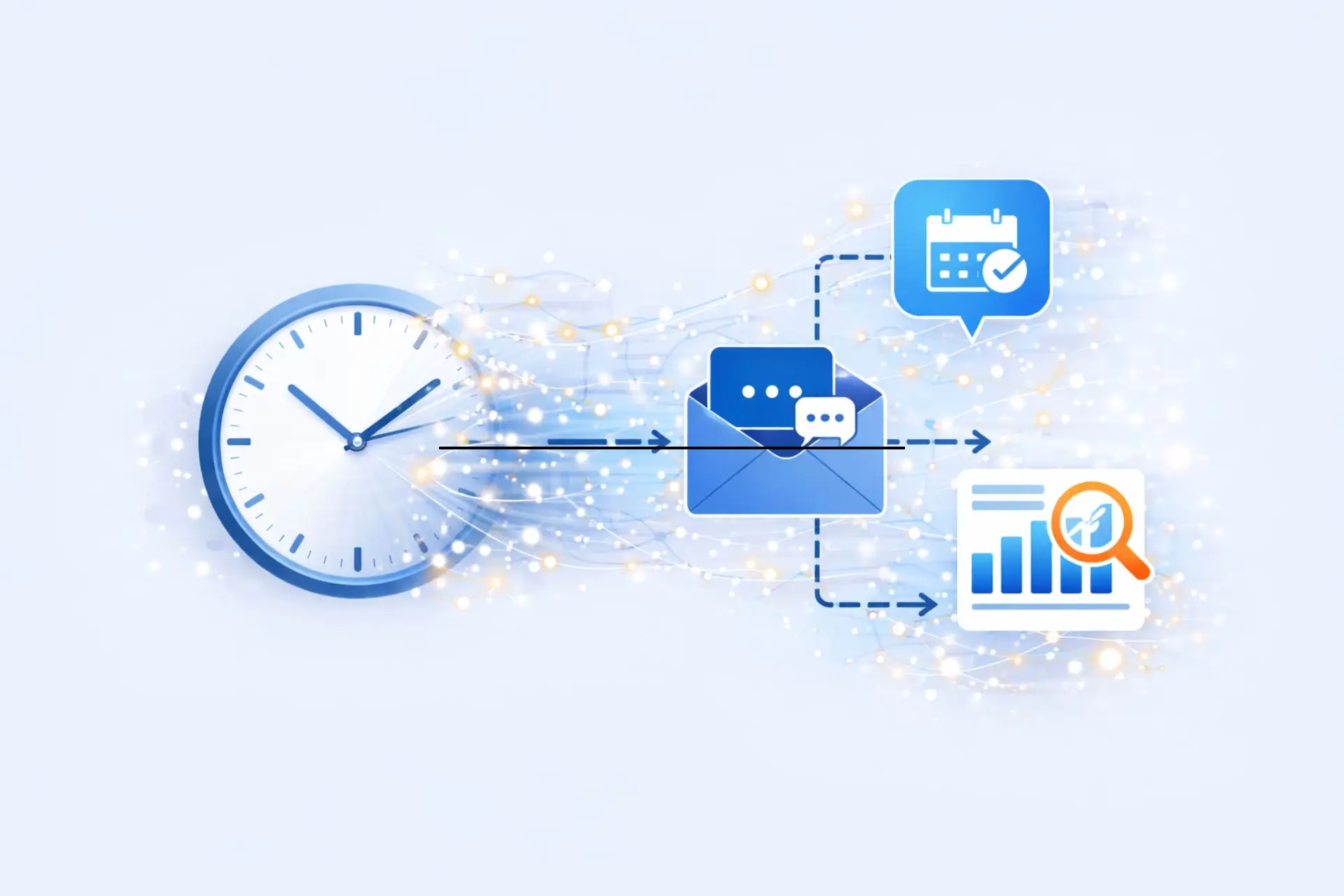
Businesses that begin experimenting with AI today will likely gain an advantage over competitors who wait. Early adopters are already discovering how AI for small business owners can streamline operations and reduce operational costs.
Examples of AI-powered automation include:
-
- Appointment scheduling systems
-
- Automated customer follow-ups
-
- Marketing workflow automation
-
- Lead qualification tools
These improvements allow small teams to operate with greater efficiency and responsiveness.
Rather than replacing human expertise, AI enhances it. By automating routine tasks, teams gain more time to focus on creativity, strategy, and customer relationships.
Final Thoughts
Artificial intelligence is no longer limited to large corporations. Today, AI for small business owners represents a practical and accessible opportunity to improve efficiency and drive growth.
Entrepreneurs who embrace AI early gain valuable experience and confidence. They learn how to integrate technology into everyday operations while maintaining the human connection that defines successful businesses.
AI is not about replacing people. It is about empowering professionals with smarter tools.
The future belongs to business owners who remain curious, adaptable, and willing to experiment with emerging technologies.
Further Reading
For additional insights into artificial intelligence and its business applications, explore the following trusted resources:
IBM – What Is Artificial Intelligence?
https://www.ibm.com/topics/artificial-intelligence
MIT Technology Review – Artificial Intelligence
https://www.technologyreview.com/topic/artificial-intelligence/
Stanford Human-Centered AI – AI Index Report
https://aiindex.stanford.edu/
McKinsey & Company – The State of AI https://www.mckinsey.com/capabilities/quantumblack/our-insights/the-state-of-ai