
Are you an AI Beginner? For many people, the challenge is not access to technology but understanding it. That’s where my book, AI for Beginners Demystified, becomes important. When explained clearly and practically, artificial intelligence becomes less intimidating and far more useful.
Artificial intelligence is no longer a distant concept reserved for engineers or tech giants. It is part of everyday life—often working quietly in the background.
This guide breaks it down in plain language so you can move from uncertainty to confidence.
What Is Artificial Intelligence?
At its simplest, artificial intelligence is software that learns from data and improves over time. Instead of being programmed for every possible situation, AI systems analyze patterns and make predictions or decisions based on those patterns.
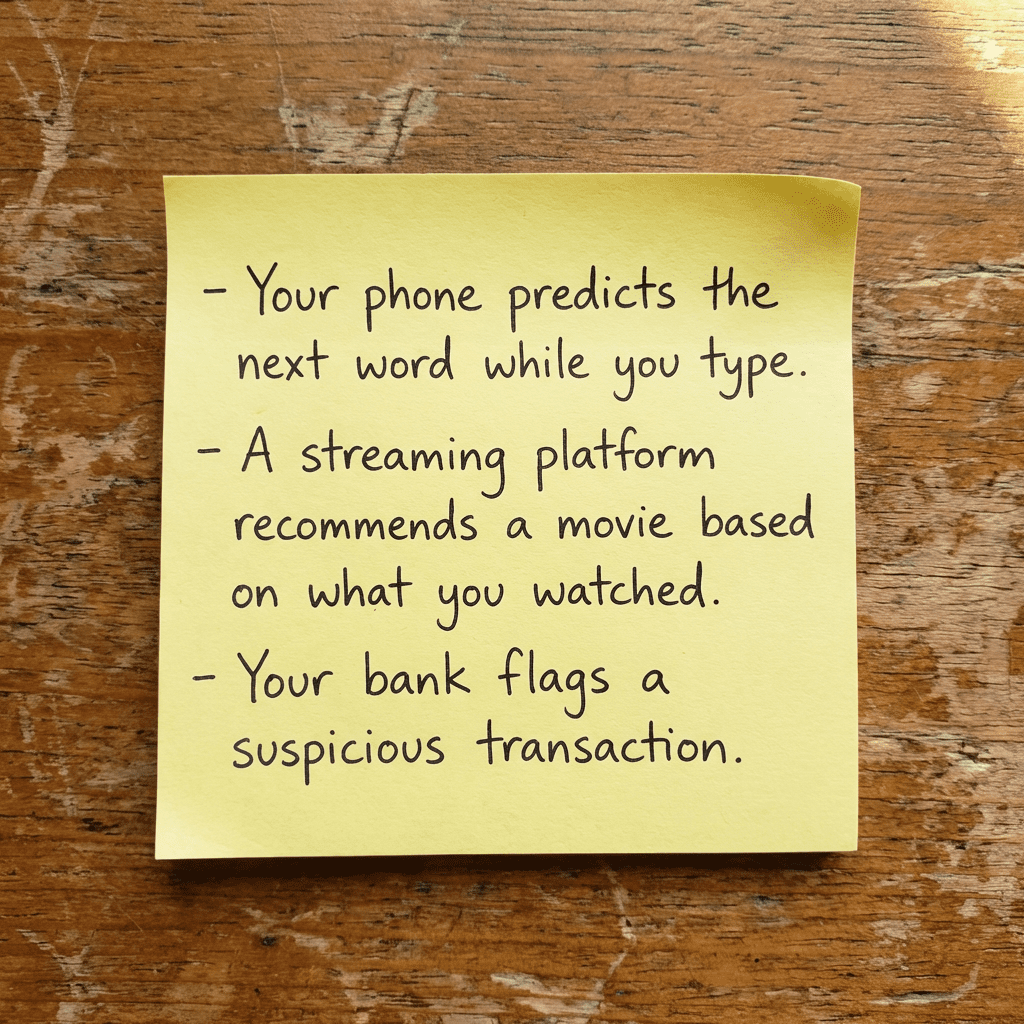
For AI for beginners, consider these examples:
- Your phone predicts the next word while you type.
- A streaming platform recommends a movie based on what you watched.
- Your bank flags a suspicious transaction.
That’s artificial intelligence at work.
AI is not magic. It is pattern recognition combined with decision-making.
Everyday Examples of AI
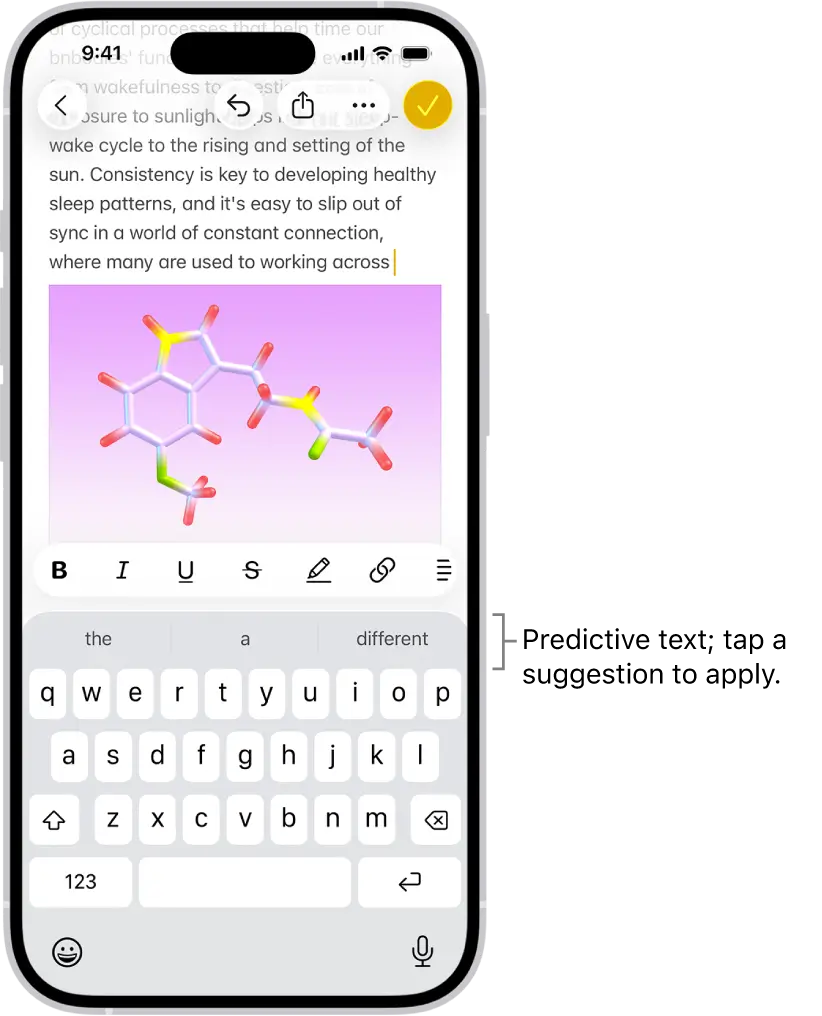
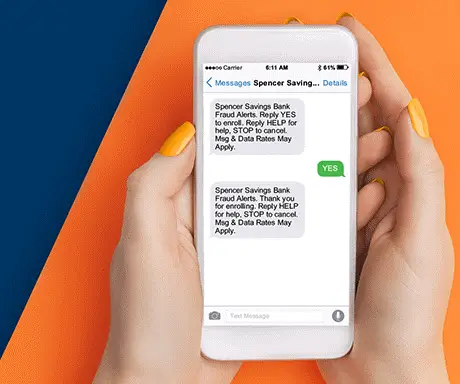
You may already be using AI dozens of times a day without realizing it.
Common examples include:
- Smartphone assistants that answer questions and set reminders
- Streaming platforms like Netflix are recommending personalized content
- Banking systems detecting fraud
- Navigation apps such as Google Maps are adjusting routes based on traffic
When exploring AI for beginners, recognizing these tools removes the mystery. AI is already integrated into daily life.
Why AI for Beginners Matters Now
AI adoption is accelerating across industries. Small businesses use AI to:
- Draft marketing content
- Automating customer service responses
- Analyze sales data
- Improve productivity
Understanding AI for beginners is no longer optional. It is becoming a professional advantage.
Those who begin experimenting now build digital confidence and competitive leverage.
Getting Started Without Overwhelm
The key to confidence is gradual exposure.
If you’re new to AI, start small:
- Ask an AI Chatbot, like ChatGPT, to summarize an article.
- Generate social media ideas.
- Draft a professional email and refine it.
- Brainstorm blog titles.
Many AI tools offer free versions, making experimentation low risk.
For AI for beginners, the goal is not mastery. It is familiarity. Each small interaction builds comfort and understanding.
A Practical Mindset Shift
Instead of asking, “Is AI complicated?” ask, “How can AI help me today?”
AI does not replace human judgment. It enhances it.
When viewed as a support tool rather than a threat, artificial intelligence becomes far less intimidating. As confidence grows, so does opportunity.
AI is not reserved for experts. It is accessible to anyone willing to explore.
Further Reading
To deepen your understanding of artificial intelligence and its broader impact, explore these trusted resources:
- IBM – What Is Artificial Intelligence?
https://www.ibm.com/topics/artificial-intelligence - MIT Technology Review – Artificial Intelligence Coverage
https://www.technologyreview.com/topic/artificial-intelligence/ - Stanford Human-Centered AI – AI Index Report
https://aiindex.stanford.edu/ - McKinsey & Company – The State of AI
https://www.mckinsey.com/capabilities/quantumblack/our-insights/the-state-of-ai